
Politics
What Crime Is Telling the Truth Exiled Iranian Journalist Faces Fresh Political
Iran Targets Truth-Telling Reporter
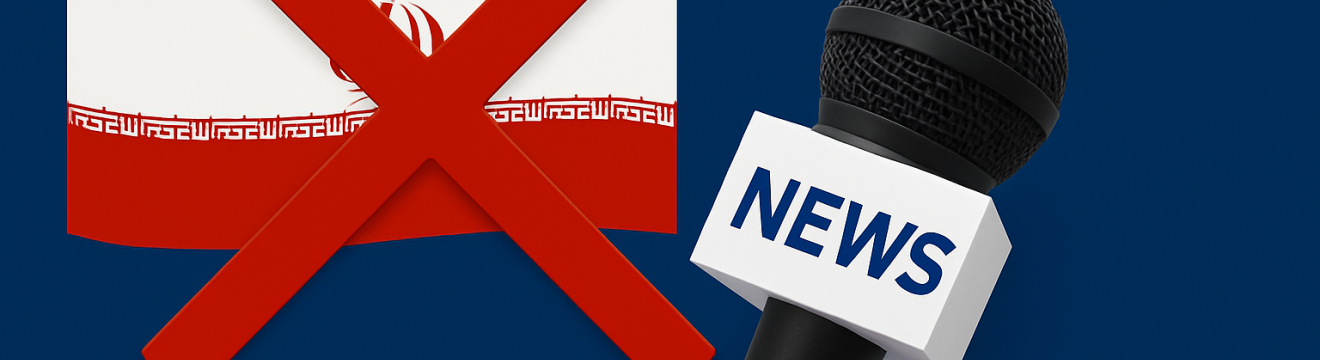
By Saman Hajibabaei – Special to USPA24 (Source: Saman Hajibabaei)
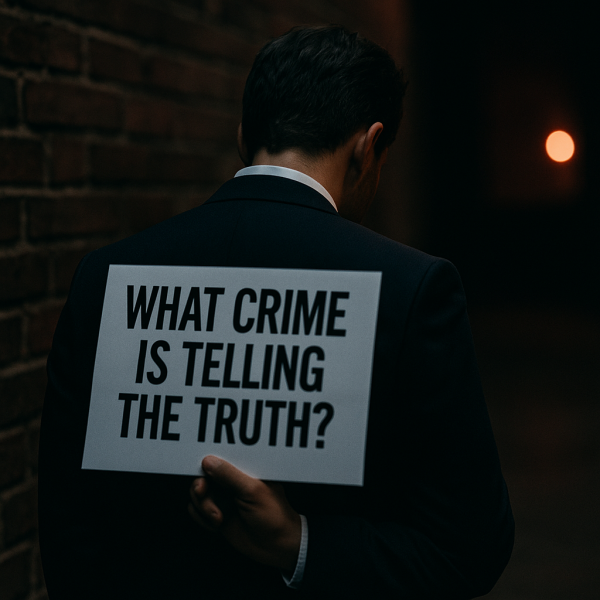
Iran Targets Exiled Journalist for Truth
(Source: Saman Hajibabaei)
(Source: Saman Hajibabaei)
What crime is there in telling the truth This question lies at the center of the escalating judicial and political pressure directed against exiled Iranian journalist Saman Hajibabaei who states that despite living peacefully in Europe and having no involvement in political groups the Iranian authorities continue to issue politically motivated summons warnings and formal accusations His situation raises serious concerns for policymakers who claim to defend journalistic freedom and human rights while confronting a regime that criminalizes independent expression both at home and abroad
Independent Voice Branded as a Threat
Hajibabaei emphasizes that he has never belonged to any political party has never joined any organized movement and has never participated in coordinated anti state activity He describes himself instead as an independent narrator documenting the lived experiences of Iranians focusing on womens rights environmental degradation social challenges and the vast yet suppressed potential of the country Despite this non political profile he is treated as a security threat by a system that interprets honest reporting and moral concern as acts of defiance The pressure he experiences reflects the broader pattern of repression in Iran where ordinary commentary is reframed as sedition and where even the mildest criticism is treated as a challenge to state authorityIran’s Natural and Human Potential Contradicted by Political Reality
Hajibabaei highlights the extraordinary potential of Iran a nation with a multi seasonal climate fertile northern coastlines strategic southern waters highly educated citizens significant natural resources and a cultural heritage stretching back thousands of years From Persepolis to the Strait of Hormuz from the Caspian Sea to the central plateau Iran holds every structural advantage required for global partnership and prosperity Yet he argues that the ruling elite imposes a vision centered on isolation ideological confrontation and authoritarian control resulting in a society unable to benefit from its own strengths This contradiction serves as the backdrop to his work and the reason he writes about the future the country could have if it embraced cooperation rather than hostilityA State That Criminalizes Humanity
The themes that define Hajibabaei’s writing are not partisan They are rooted in universal human values He writes about the dignity of women and girls about environmental collapse about the suffering of ordinary citizens and about the moral obligation to protect future generations In a healthy civic environment such subjects would be encouraged Instead they have been categorized as threats by the Iranian authorities who view any attempt to humanize public discourse as an implicit challenge to their authority The criminalization of humanitarian expression reveals a deeper truth about the political order in Iran an order that suppresses empathy because empathy invites accountabilityPattern of Transnational Repression Extending Into Europe
Hajibabaei’s experience is part of a documented pattern of transnational repression in which the Islamic Republic extends pressure intimidation and surveillance beyond its borders Multiple cases across Europe demonstrate how Iranian state networks attempt to silence journalists activists and dissidents living abroad through threats monitoring and even physical attacks Reports by international media and human rights organizations describe disrupted assassination plots harassment campaigns and targeted violence against Iranian journalists including cases in the United Kingdom and Germany This pattern raises urgent concerns for European governments that host Iranian exiles and publicly condemn repression in Iran yet must now consider the security of those targeted within their own bordersJudicial Evidence Confirming the Political Case Against Him
A central element of Hajibabaei’s situation is the existence of an official judicial file in Iran According to the Iranian Judiciary’s online notification system case number 140368920000342866 registered under his name was opened in the Tehran Islamic Revolutionary Court Branch 7 on 16 Khordad 1403 Corresponding to early June 2024 The charges recorded in the file accuse him of inciting people to war and killing with the intention of disturbing national security and of propaganda against the Islamic Republic The file shows that a summons was issued for a hearing on 27 Khordad 1403 and that the case originated from a formal complaint by the Ministry of Intelligence On 29 Khordad 1403 the court issued a conviction in absentia under judgment number 140368390004183549 These entries confirm that the proceedings were political in nature and that the state has built a legal architecture to criminalize his writings and maintain pressure on him even while he resides abroad ?An Architecture Designed to Silence Independent Thought
The structure of the case reflects a broader strategy used by the Iranian authorities to frame nonviolent expression as a threat to national security By invoking accusations such as incitement disturbance of order and propaganda the state creates a legal pathway to suppress journalism environmental advocacy womens rights discourse and any form of independent criticism Hajibabaei’s file demonstrates how this mechanism functions in practice and shows that judicial institutions serve not as neutral bodies but as instruments of political control His experience reveals how a state with significant cultural and intellectual heritage has institutionalized mechanisms designed to silence even solitary voices that challenge the boundaries of official narrativesWhy This Case Matters for Europe
For European policymakers Hajibabaei’s case is not a distant matter It is directly relevant to European commitments to human rights sovereignty and security It illustrates how authoritarian states can intimidate individuals living legally within Europe’s borders and exposes weaknesses in existing protections for exiled journalists and human rights defenders European institutions must decide whether they will offer tangible safeguards or rely solely on statements of solidarity Without concrete action cases like this will continue to signal to authoritarian governments that repression carries no real consequences especially when extended beyond their bordersA Test of Europe’s Principles
The case ultimately raises a fundamental question for Europe Does the continent truly protect those who speak truthfully about human rights environmental justice and political repression or does it allow foreign governments to extend their influence into European public life Hajibabaei’s experience suggests that European values are being tested by a regime willing to pursue journalists across borders His writings about Iran’s potential about the suffering of its people and about the responsibilities of its leaders have been transformed into legal accusations of national security violations The question that remains is whether Europe will stand firmly with those who risk everything to speak honestly about the realities of authoritarian ruleClosing Reflection
The charges brought against Saman Hajibabaei demonstrate how far the Iranian state is willing to go to punish independent thought They reveal a system in which truth telling is treated as confrontation humanity is treated as subversion and journalism is treated as a threat In the words he conveys from exile his only act has been to write document and care for the future of his country Yet for this he faces political prosecution judicial threats and cross border intimidation His case therefore stands as a clear signal to Europe and the international community that freedom of expression remains fragile and that defending it requires action not only words The real question now is whether democratic societies will recognize this threat and respond with the seriousness it demandsmore information: https://https://www.bobshub.de/
Liability for this article lies with the author, who also holds the copyright. Editorial content from USPA may be quoted on other websites as long as the quote comprises no more than 5% of the entire text, is marked as such and the source is named (via hyperlink).